Our services
We fit the installation to your facility. Water, dry-pipe, pre-action, foam, powder, gas, deluge, pumps and testing: each system is chosen for the hazard, temperature and operating constraints.
Our services
Fire Protection System Design & Installation
Turnkey Solutions Tailored to Your Site
Fire Protection System Design & Installation
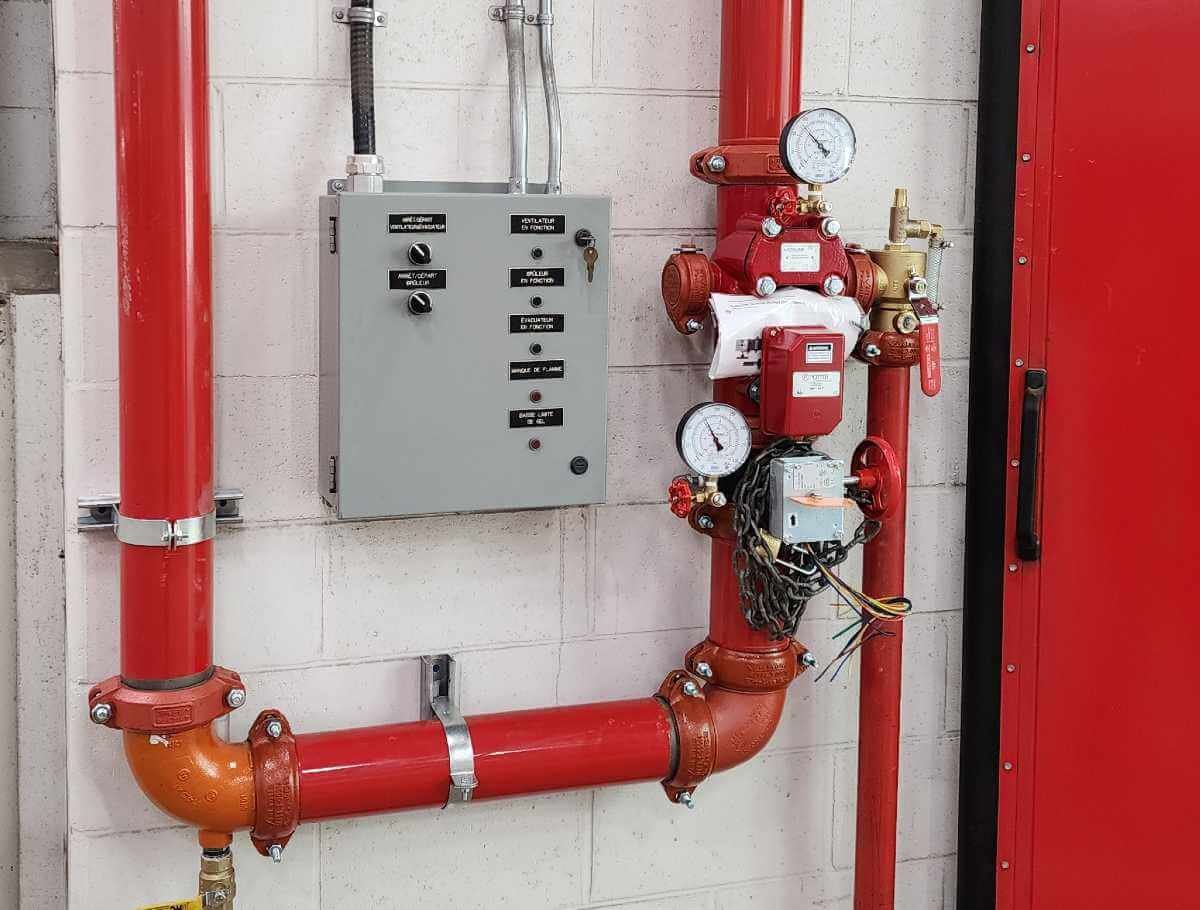
We design and install fire protection systems for commercial, institutional, industrial, and mining facilities. Our proven experience includes turnkey projects and solutions adapted to operational constraints, including underground environments.
System types: wet, dry, pre-action, foam, dry chemical, gas, and deluge systems.
Fire Pumps & Testing
Electric, Diesel, Steam & Flow Testing
Fire Pumps & Testing
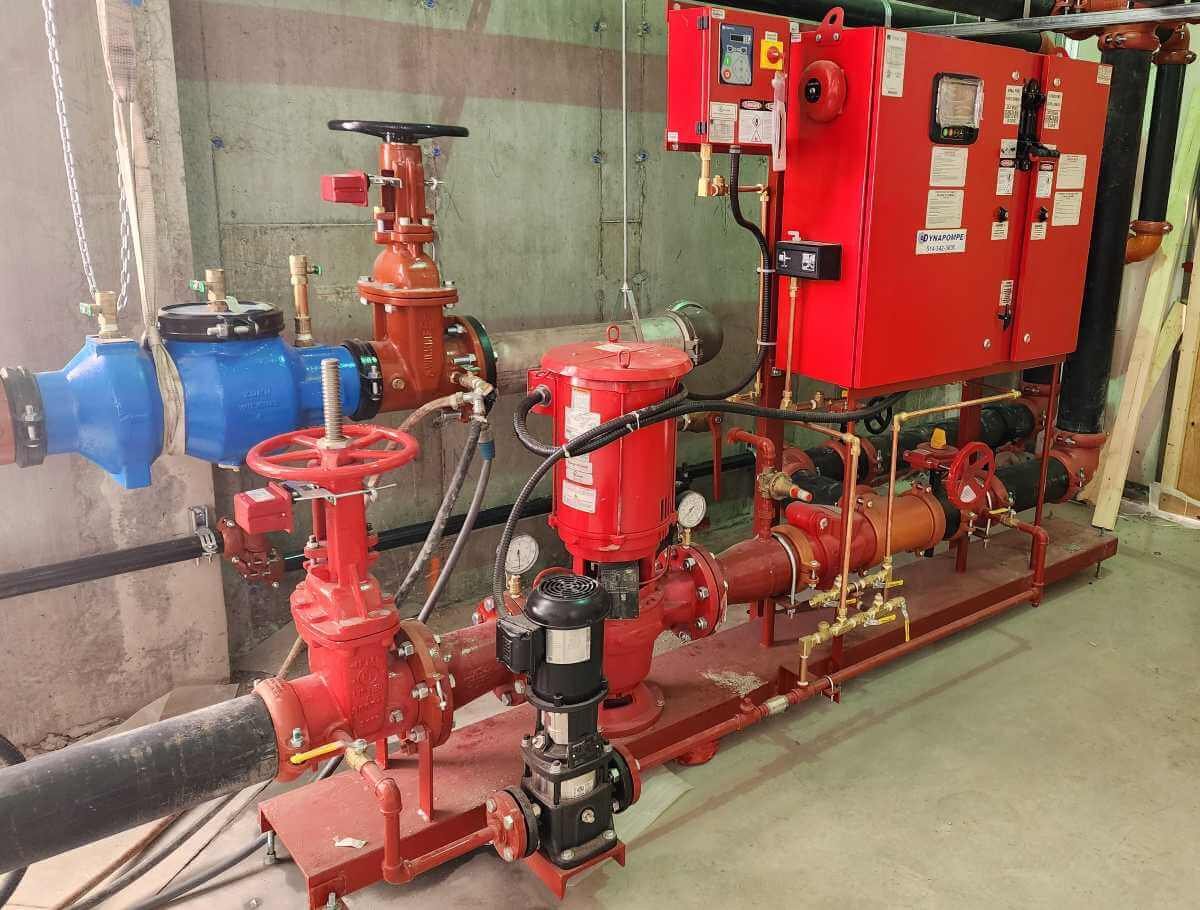
Supply and installation of electric, diesel, and steam-driven fire pumps. We also design pump stations and various types of water storage tanks for institutional, commercial, industrial, and mining facilities. Services include flow testing for fire hydrants and fire pumps.
Inspection & Maintenance
Systems, Pumps & Audits
Inspection & Maintenance
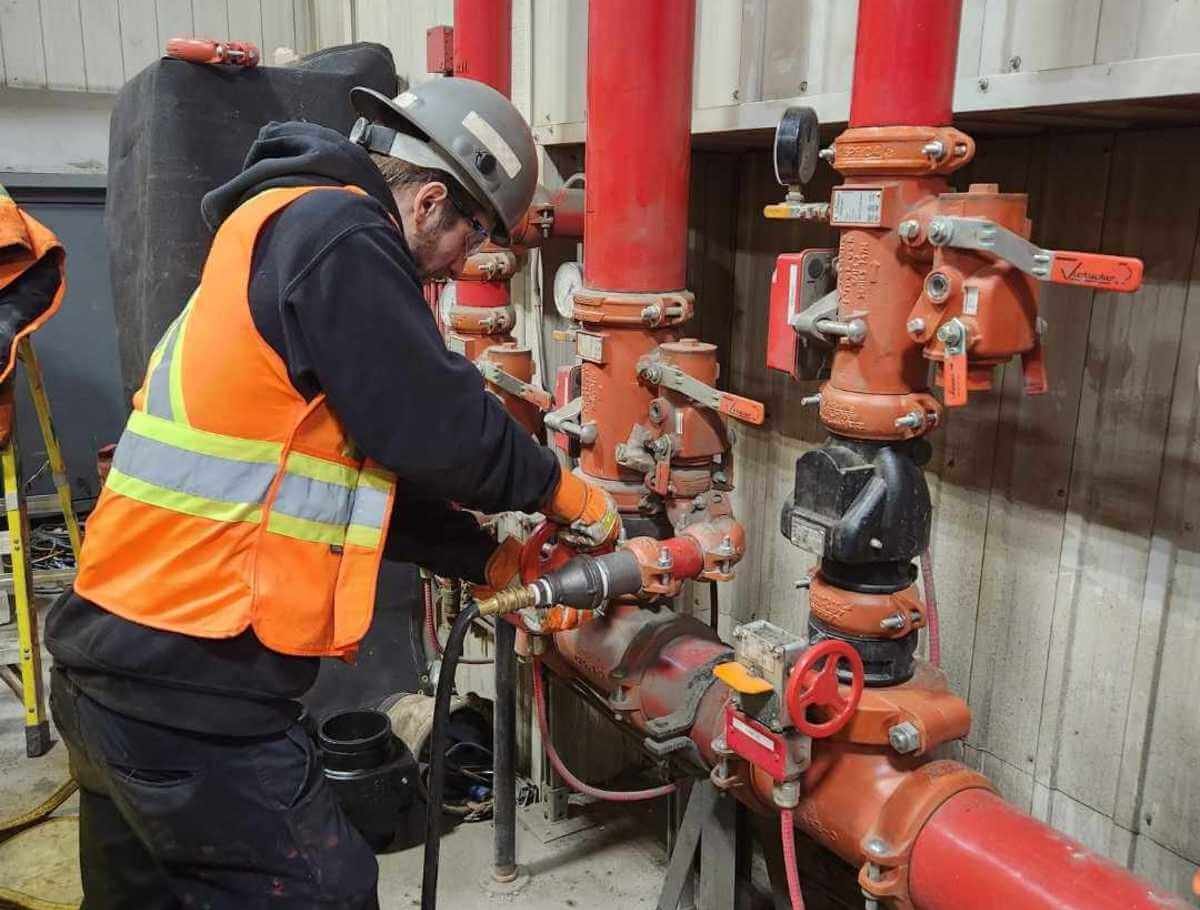
Inspection and maintenance of wet, dry, and special hazard systems, including dry chemical, foam, gas, and other suppression systems, as well as fire pumps. Services may also include comprehensive fire protection audits for your facility.
Specialized Solutions & FirePro
Special Hazards & FirePro Aerosol Systems
Specialized Solutions & FirePro
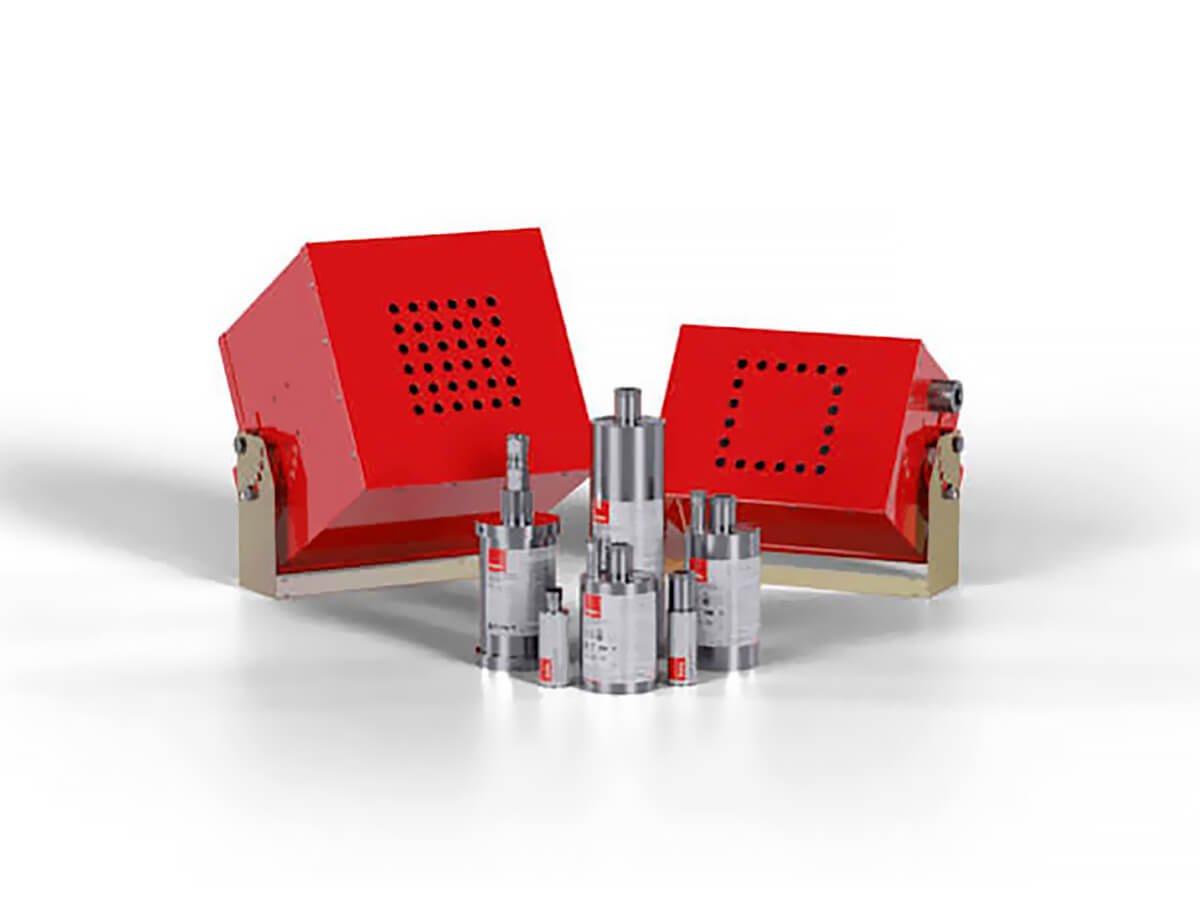
Protection for special hazards and high-value equipment. FirePro accredited. FirePro systems use a clean aerosol technology that does not harm the ozone layer and is suitable for several types of fires, including lithium battery fires. Documented benefits include relatively low installation, maintenance, and replacement costs, as well as compatibility with multiple detection systems.
Supply of Materials & Equipment
Parts, Piping & Corrosion Protection
Supply of Materials & Equipment
We supply a wide range of fire protection parts and equipment, including portable fire extinguishers, fire pumps, fire hydrants, and post indicator valves (PIVs). Industrial materials include steel piping, grooved fittings, HDPE piping, and related fittings. Corrosion protection solutions include galvanized piping, nitrogen generators, and epoxy coatings, depending on project requirements.
Our Products
Instrumentation and valves
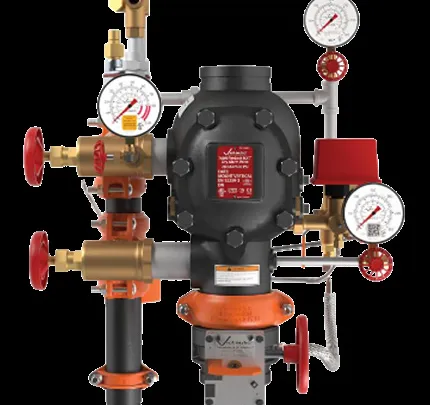
Valve assemblies, gauges and distribution networks designed for maintenance and testing.
Zone control
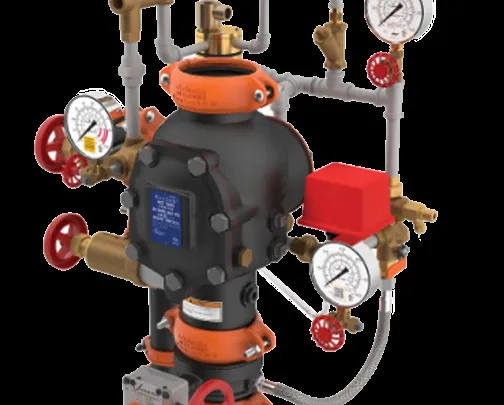
Water systems with alarm valves or zone control, where temperature can stay permanently above 4 °C, per NFPA.
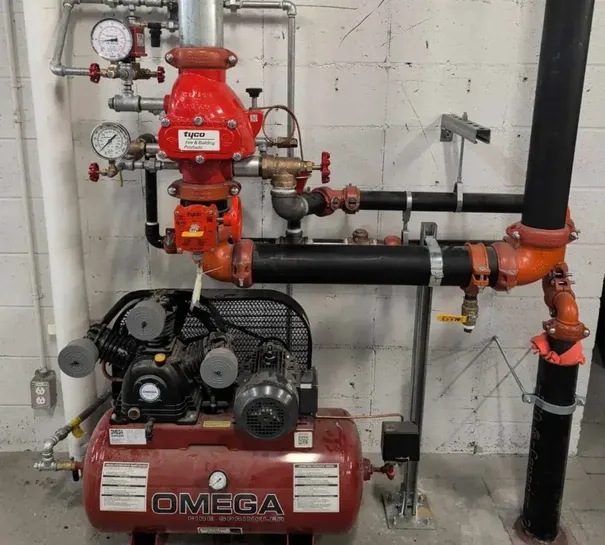
DRY PIPE FIRE PROTECTION SYSTEM
Dry pipe systems are primarily installed in buildings or areas where the temperature cannot be maintained above 4°C at all times.
Advantages:
-
Low cost
-
Quick installation
Consideration:
Longer response time than a wet pipe system
WET PIPE FIRE PROTECTION SYSTEM
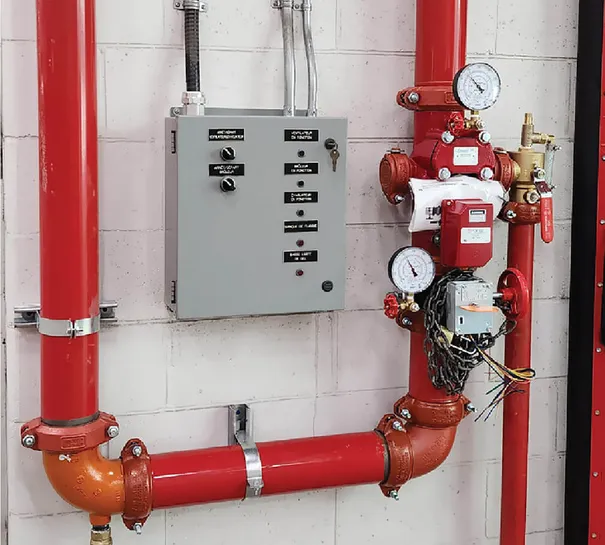
The wet pipe system is the most widely used type of fire protection system, as it is suitable for a wide range of buildings and applications.
Main Types:
-
Alarm valve
Advantages:
-
Low cost
-
Quick installation
-
Fast response in the event of a fire
Consideration:
According to NFPA requirements, this type of system must be installed in areas where the temperature is maintained above 4°C at all times.
PRE-ACTION FIRE PROTECTION SYSTEM
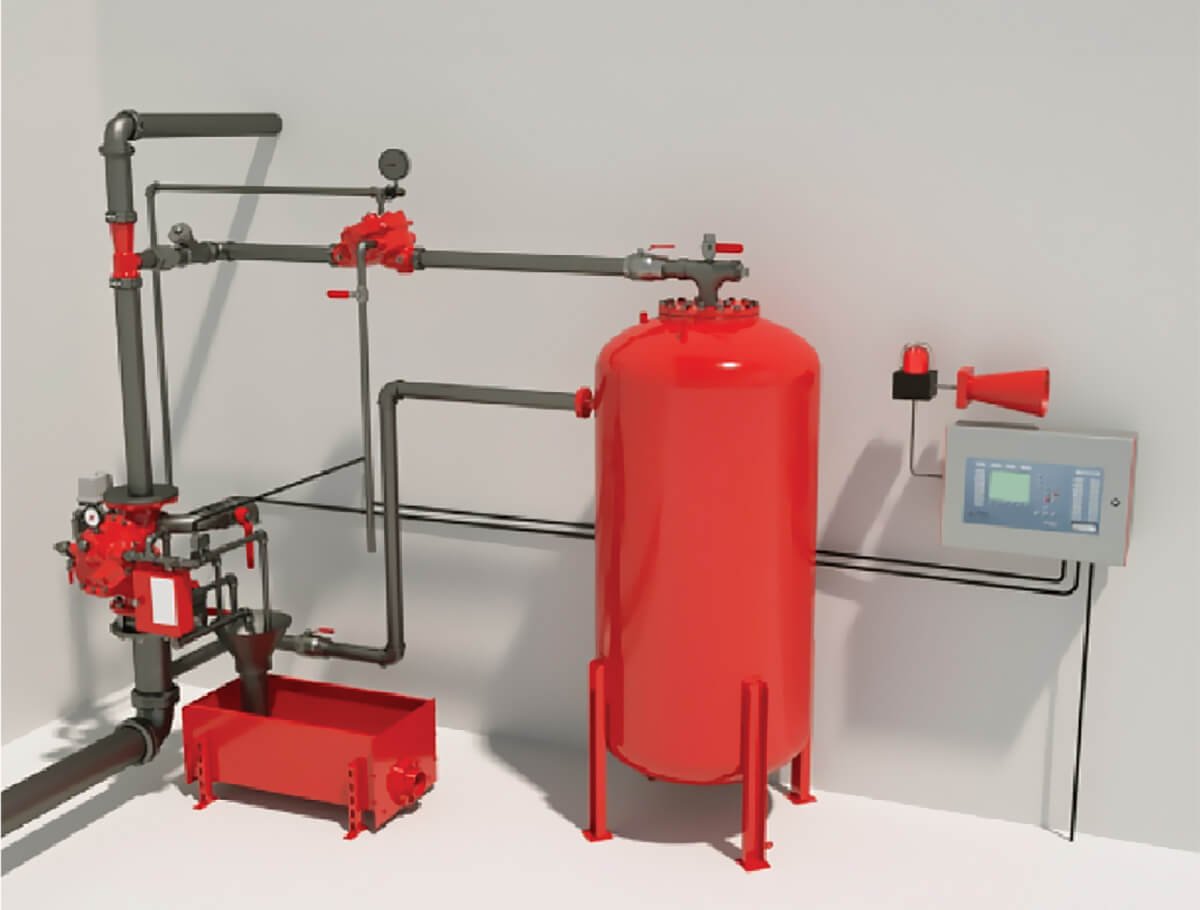
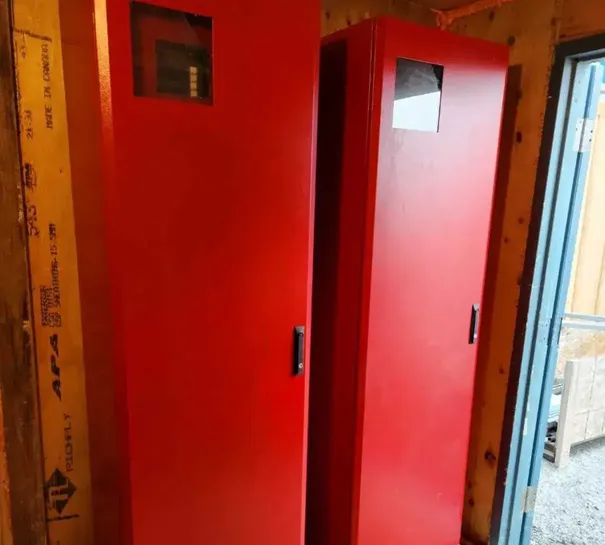
Pre-action fire protection systems are used in buildings with special hazards or high-value equipment, such as hospitals, data rooms, and similar environments.
Advantages:
-
Less expensive than gas or dry chemical systems
-
Requires two types of detection before activation, helping reduce potential damage caused by system failures or false alarms
-
Supplied with a cabinet and its own detection control panel
Consideration:
- Requires significant installation space
- Emergency power supply should be provided
FOAM FIRE PROTECTION SYSTEM
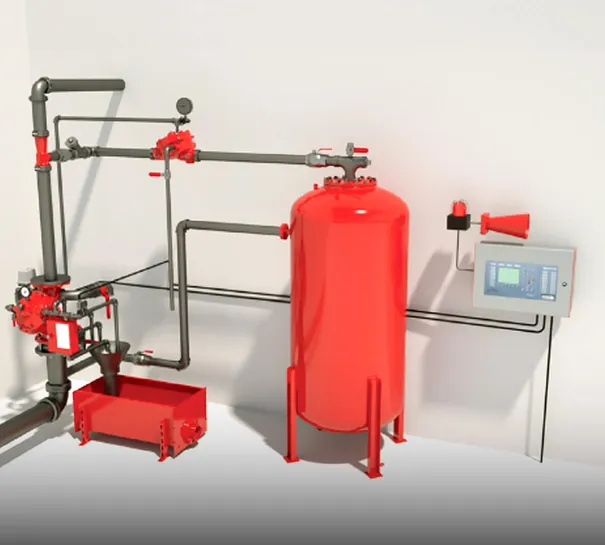
Foam fire protection systems are used in high-risk environments involving flammable materials, such as refineries, aircraft hangars, and heliports. Their main advantage is that the extinguishing agent covers the protected material with a thin layer of foam, helping prevent the fire from reigniting once flammable conditions are reached.
Considerations:
-
Careful maintenance is required to prevent piping deterioration caused by internal corrosion.
-
During testing or following a fire, the foam must be collected and disposed of by an accredited organization authorized to handle chemical products.
WE OFFER SEVERAL OTHER SYSTEMS TO MEET YOUR SPECIFIC NEEDS
(Deluge, dry chemical, gas, and more.)